Blue Whale🌎
Mandya♥
Mandya - The Sugar Bowl of Karnataka
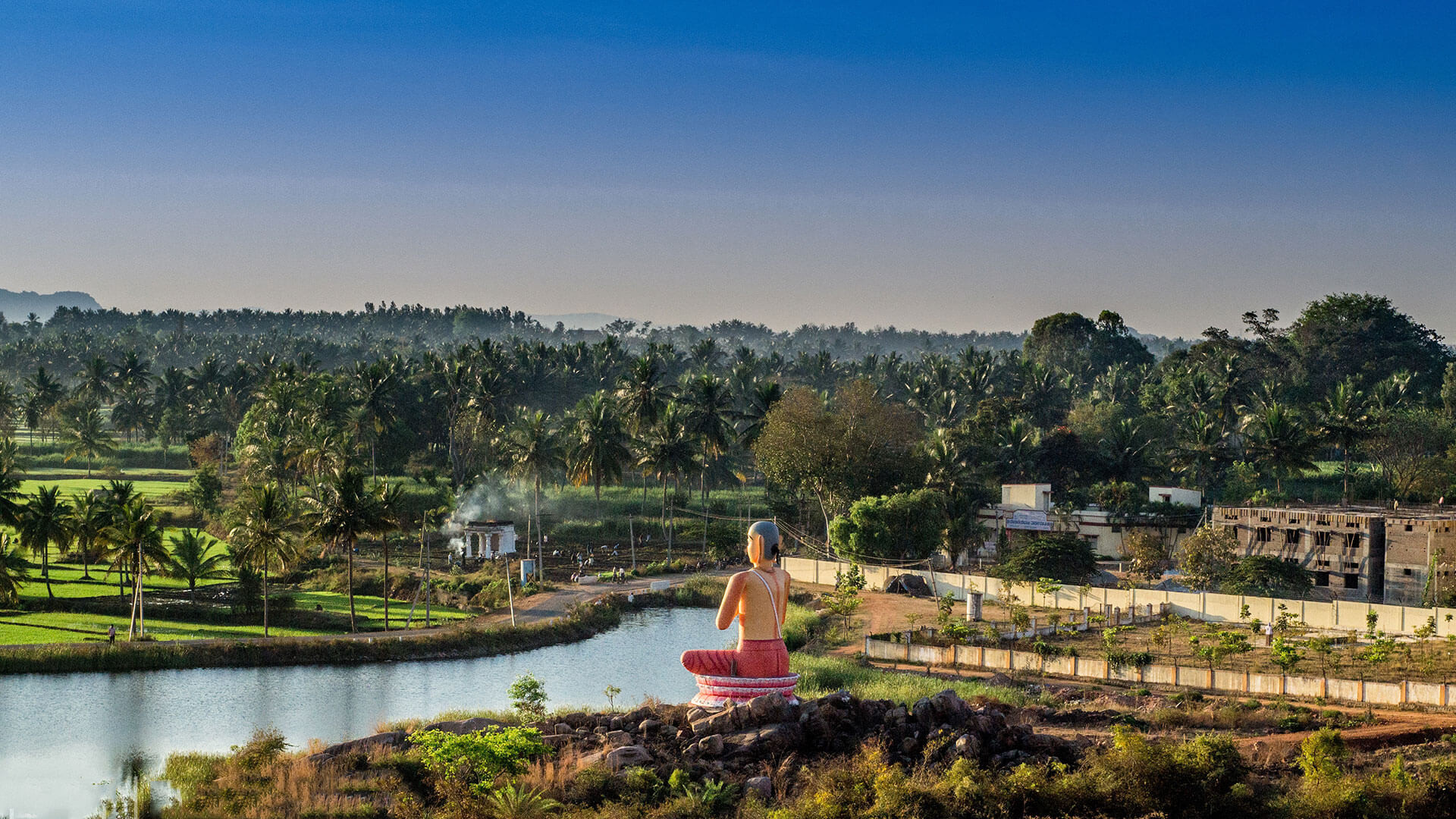
Mandya is a district in the southern state of Karnataka...
View on Map Explore
Bangalore
Bangalore - The Garden City
Bangalore, officially called Bengaluru, is the capital city of Karnataka, India. Known as the Silicon Valley of India, it is a bustling metropolis famous for its tech industry, pleasant climate, and cosmopolitan culture. Key Highlights Situated in southern India on the Deccan Plateau. Nicknames is Silicon Valley of India: Due to its IT and startup ecosystem. Garden City for its numerous parks and greenery. Pub Capital of India: Known for its vibrant nightlife. Climate Moderate, pleasant climate year-round. Mild summers, cool winters, and moderate monsoons. IT Hub Headquarters for major companies like Infosys, Wipro, and TCS, as well as global giants like Google and Microsoft. Startups is a leading destination for startups and innovation in India. Aerospace & Research: Home to ISRO (Indian Space Research Organisation) and other defense/aerospace establishments. Cultural and Tourist Attractions Parks and Gardens like Lalbagh Botanical Garden Known for its glasshouse and rare plant species. Cubbon Park: A sprawling green oasis in the city center.The city has a rich historical background, dating back to its founding in 1537 by Kempegowda, a local chieftain. Over the centuries, it has evolved into a cosmopolitan metropolis that is home to people from across the globe. Bangalore's economy is diverse, with strong contributions from IT, biotechnology, aerospace, and startups, supported by prestigious institutions like the Indian Institute of Science (IISc) and the Indian Institute of Management Bangalore (IIMB). Culturally, Bangalore is a melting pot, offering a dynamic arts and music scene, lively festivals, and delicious cuisines that reflect its multicultural population. Key landmarks include Cubbon Park, Lalbagh Botanical Garden, Bangalore Palace, and the iconic Vidhana Soudha, which houses the state legislature. The city is also known for its bustling markets, modern shopping malls, and vibrant nightlife. In recent years, Bangalore has faced challenges such as traffic congestion and rapid urbanization, but it continues to attract professionals, entrepreneurs, and students from around the world due to its opportunities and vibrant lifestyle.
View on Map Explore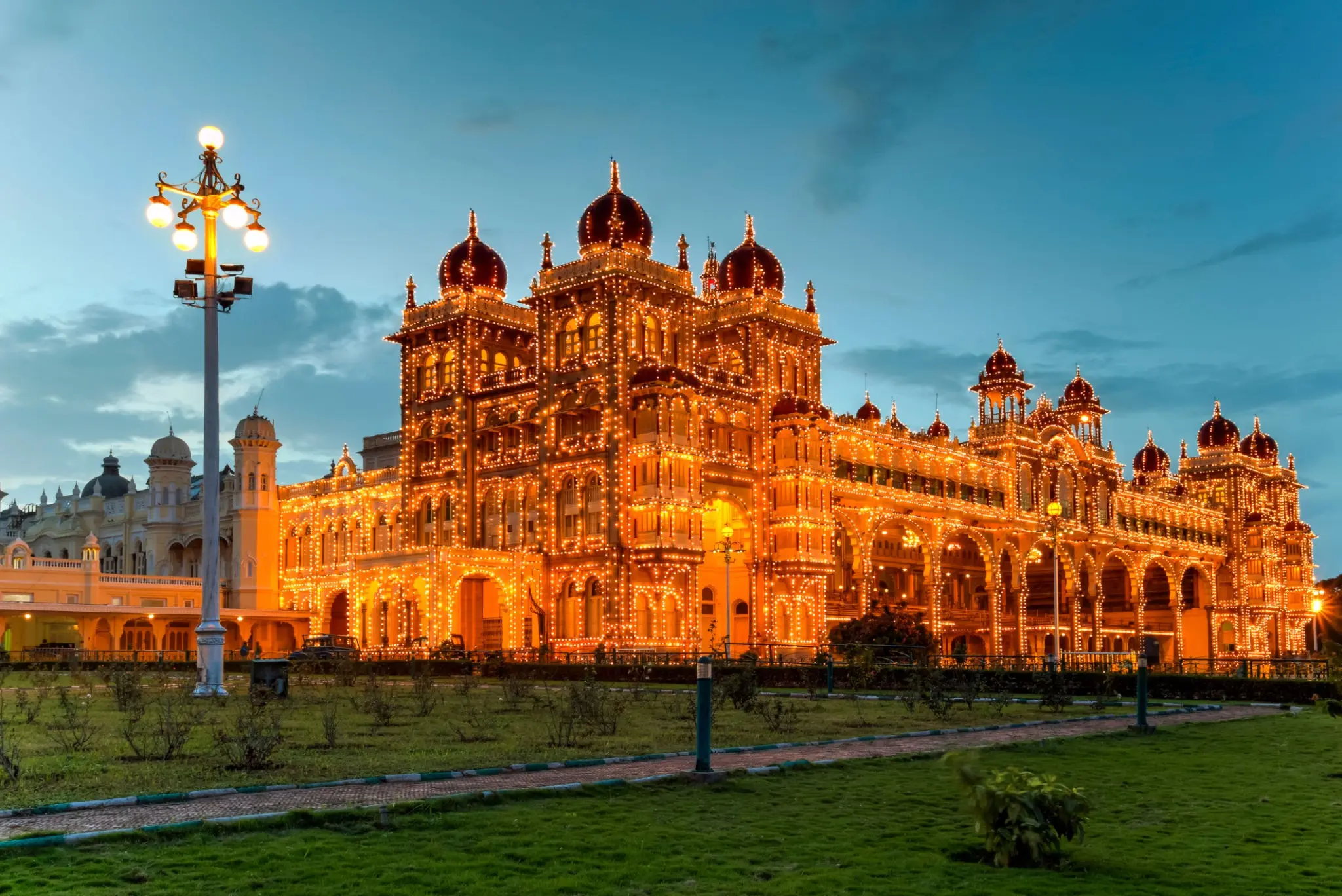
Mysore
Mysore - The City of Palaces
Mysore, officially called Mysuru, is a historic and cultural city in Karnataka, India. Known as the "City of Palaces", it is famous for its heritage architecture, rich traditions, and vibrant festivals. Key Highlights Location is situated about 145 km southwest of Bangalore. Nicknames City of Palaces isDue to its royal legacy. Sandalwood City Known for its sandalwood products. Cultural Capital of Karnataka: For its rich traditions and festivals. Climate Pleasant year-round with warm summers, moderate monsoons, and cool winters. Tourism and Attractions Palaces are Mysore Palace agrand royal residence and one of India’s most famous palaces. Jaganmohan Palace now an art gallery showcasing traditional paintings. Temples are Chamundeshwari Temple is Located atop Chamundi Hills, it is a significant spiritual and architectural landmark. Gardens are Brindavan Gardens: Renowned for its symmetrical gardens and musical fountain. Museums are Railway Museum having Highlights the history of Indian railways. Folklore Museum is Displays artifacts of Karnataka’s folk culture.The city's charm extends to its serene gardens, including the famous Brindavan Gardens, and its historic temples, such as the Chamundeshwari Temple perched atop Chamundi Hill. Mysore is also known for its contributions to art and craftsmanship, particularly Mysore silk, sandalwood products, and traditional paintings. As a hub of education and culture, Mysore boasts institutions of national repute and a thriving yoga community, earning it the title of the "Yoga Capital of India." Its pleasant climate, well-planned infrastructure, and emphasis on preserving heritage make it one of India's most livable cities. Beyond its historical allure, Mysore embraces modernity while retaining its timeless elegance, offering visitors and residents a harmonious blend of the past and the present.Mysore is also celebrated for its annual Dasara festival, a ten-day extravaganza marked by grand processions, cultural performances, and illuminated displays that attract visitors from across the globe. The city's charm is further enhanced by its serene gardens, such as Brindavan Gardens, and its proximity to natural attractions like Chamundi Hill and the Bandipur National Park. Mysore is also a hub for yoga and wellness, with the city being a popular destination for practitioners of Ashtanga yoga. Known for its contributions to crafts and cuisine, Mysore is famous for its silk sarees, sandalwood products, and the delectable Mysore Pak sweet. With a pleasant climate, a blend of tradition and modernity, and a slower pace of life, Mysore offers a unique experience that reflects the rich tapestry of South Indian culture and history.
View on Map Explore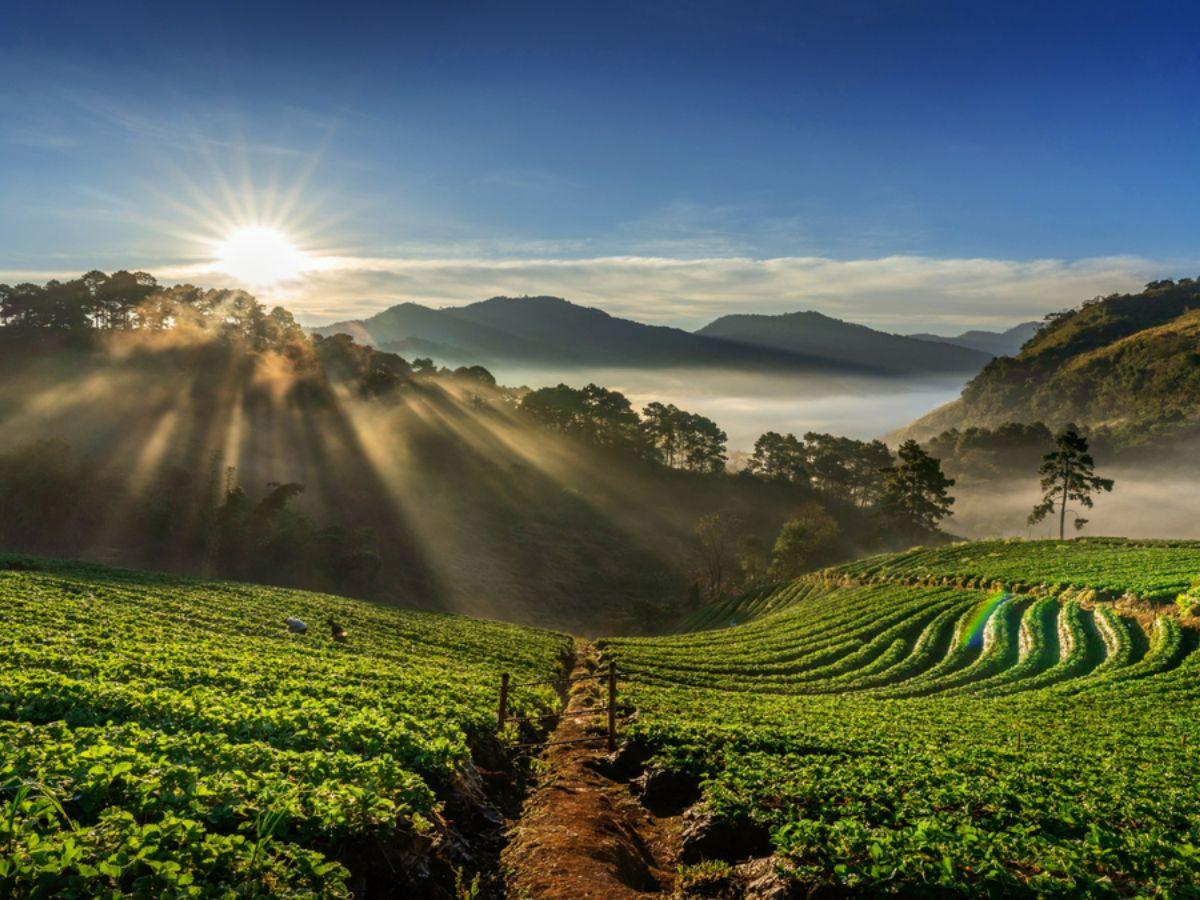
Coorg
Coorg - Scotland of India
Coorg is known for its coffee plantations, lush greenery, and scenic spots like Abbey Falls and Raja’s Seat. It’s a perfect hill-station getaway. Coorg, officially known as Kodagu, is a picturesque hill station located in the southwestern part of Karnataka, India. Known as the "Scotland of India," it is famous for its lush greenery, rolling hills, coffee plantations, and pleasant climate. Nestled in the Western Ghats, Coorg offers breathtaking landscapes, including mist-covered mountains, dense forests, and serene rivers. The region is renowned for its coffee production, with sprawling estates that produce some of India’s finest coffee. Coorg is also rich in biodiversity and is home to various species of flora and fauna, making it a haven for nature lovers and wildlife enthusiasts. The Cauvery River, one of the most sacred rivers in South India, originates in Coorg at Talakaveri, a revered pilgrimage site. Culturally, Coorg is unique, with the Kodava community playing a significant role in preserving its traditions.Coorg is renowned for its sprawling coffee estates, where some of the finest coffee in the country is cultivated. The region is also rich in culture, being home to the Kodava people, known for their unique traditions, cuisine, and martial heritage. The landscape of Coorg is marked by rolling hills, dense forests, and gushing rivers, making it a haven for nature enthusiasts and adventure seekers. Popular attractions include Abbey Falls, Talacauvery (the origin of the River Cauvery), and the Dubare Elephant Camp. The region also offers opportunities for trekking, river rafting, and exploring wildlife sanctuaries like Nagarhole National Park. Coorg’s cuisine is another highlight, featuring dishes like pandi curry (pork curry) and noolputtu (rice noodles), which reflect the region's distinctive culinary heritage. With its tranquil ambiance, natural beauty, and vibrant culture, Coorg has become a favorite destination for travelers seeking a blend of relaxation and adventure.
View on Map Explore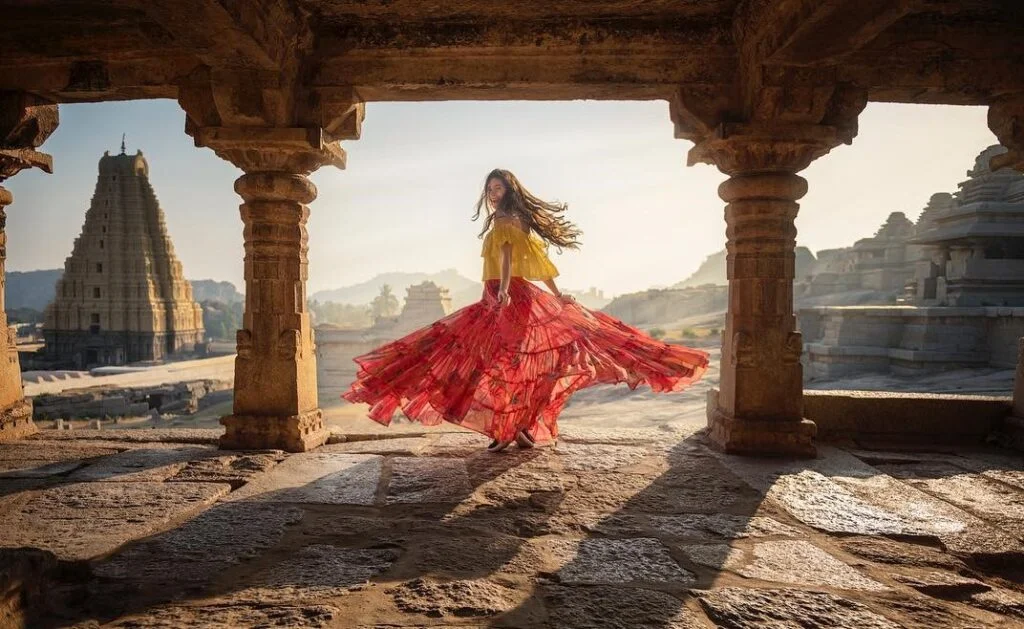
Hampi
Hampi - The Land of Ruins
Hampi is a UNESCO World Heritage Site, famous for its ancient temples, ruins, and unique boulder-strewn landscapes. Hampi, a UNESCO World Heritage site, is an ancient village located in the state of Karnataka, India, renowned for its stunning ruins and historical significance. It was once the capital of the Vijayanagara Empire, which flourished between the 14th and 16th centuries. The site is now a fascinating open-air museum with remnants of temples, palaces, and other architectural marvels that attract visitors from around the world. The landscape of Hampi is marked by a dramatic blend of boulder-strewn hills, lush greenery, and the Tungabhadra River, which adds to its charm. The ruins of Hampi are not only a testimony to the grandeur of the Vijayanagara Empire but also to the rich cultural and religious heritage of the region. Some of the most prominent structures in Hampi include the Virupaksha Temple, dedicated to Lord Shiva, and the Vittala Temple, famous for its intricately carved stone chariot and musical pillars. The Hazara Rama Temple, Lotus Mahal, and the Rama Temple are also important landmarks that reflect the advanced architectural style of the time. Hampi’s archaeological significance lies in its collection of temples, monuments, palaces, and market streets, many of which are intricately designed and offer a glimpse into the grandeur of the empire. Some of its most famous landmarks include the Virupaksha Temple, the Vittala Temple with its iconic stone chariot, the Elephant Stables, and the Hazara Rama Temple. The village is a UNESCO World Heritage Site, attracting visitors from around the world who are drawn to its historical, cultural, and natural beauty. Hampi’s ruins are a fascinating blend of religious and royal architecture, and despite the passage of time, they remain a testament to the artistic and architectural excellence of the Vijayanagara rulers. Today, Hampi is not just a historical site but also a spiritual destination, and its serene atmosphere is perfect for those seeking peace and connection with India's ancient past.
View on Map Explore
Tumkur
Tumkur - Educational Hub of Karnataka
Tumkur is a vibrant city in Karnataka, known for its historical significance, educational institutions, and proximity to Bangalore.Tumkur, officially known as Tumakuru, is a city located in the southern part of Karnataka, India, around 70 kilometers northwest of Bangalore. It is the administrative headquarters of the Tumkur district and is part of the growing Bangalore Metropolitan Region. Historically, Tumkur was an important trade and administrative center and has evolved into an industrial hub while retaining much of its cultural heritage. The city is known for its pleasant climate, with a tropical climate characterized by warm summers and moderate winters and monsoons. Agriculture plays a significant role in Tumkur’s economy, with crops like groundnut, sunflower, sugarcane, and ragi being widely cultivated. The region has also seen an industrial boom in recent decades, particularly in sectors like engineering, textiles, and cement, contributing to its growing economy.Tumkur is a city located in the southern part of India, in the state of Karnataka. It serves as the administrative headquarters of the Tumkur district and is situated about 70 kilometers northwest of Bangalore, the state's capital. The city is known for its historical significance, with several temples, cultural sites, and architectural landmarks. Tumkur is also a hub for education and industry, with numerous colleges and universities. The region is blessed with natural beauty, with a mix of hills, forests, and lakes that attract both nature lovers and tourists. The local economy is primarily driven by agriculture, including crops like coconut, groundnut, and sugarcane, along with the growth of small-scale industries. Tumkur has seen significant infrastructural growth over the years, contributing to its increasing urbanization. The climate is generally moderate, with hot summers and mild winters. Overall, Tumkur represents a blend of traditional culture, natural beauty, and modern development.
View on Map Explore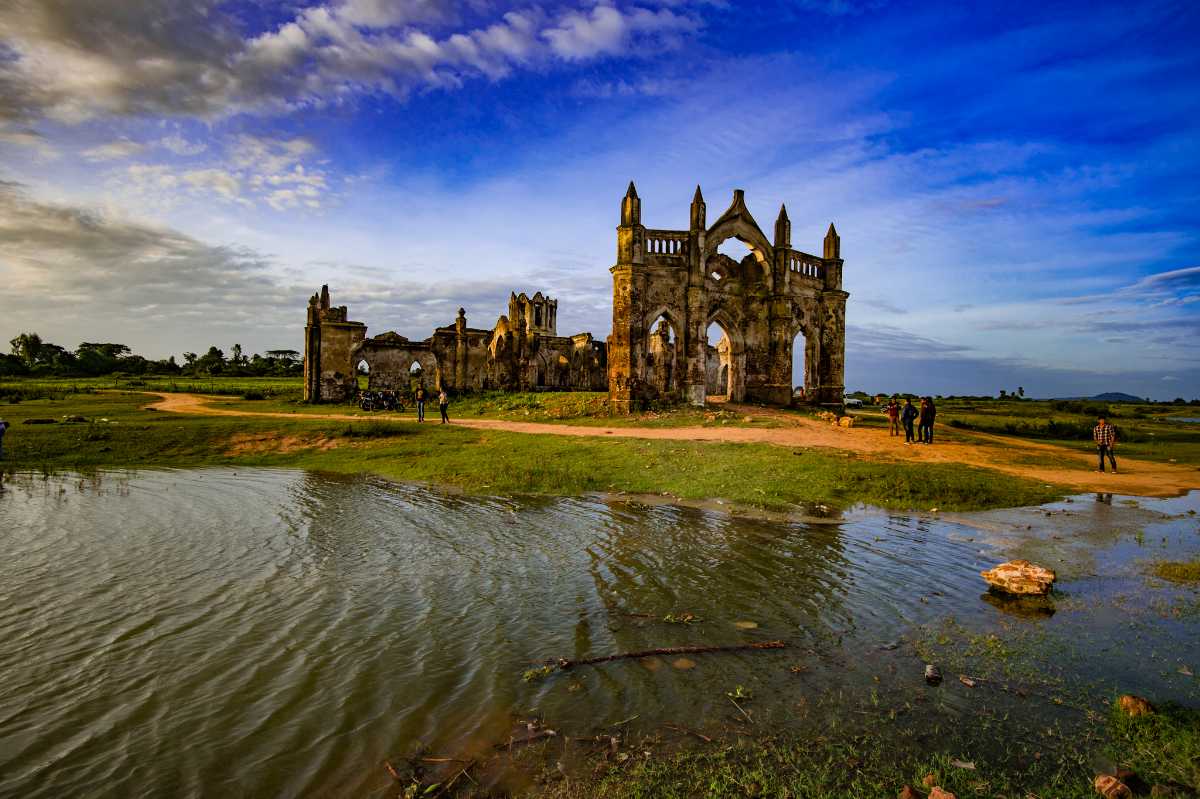
Hassan
Hassan - The Paradise of Karnataka
Hassan is a historic city in Karnataka, known for its proximity to the famous Hoysala architecture and landmarks like the temples at Belur and Halebidu. Hassan is a city in the southern part of Karnataka, India, located around 115 kilometers from Bangalore. It serves as the district headquarters of Hassan District and is well-known for its historical significance, cultural heritage, and proximity to several important tourist destinations. The city is particularly famous for its association with the Hoysala Dynasty, which ruled the region between the 10th and 14th centuries. The architecture of the period, especially in places like Halebidu and Belur, is an important draw for history and architecture enthusiasts. The temples in these towns are celebrated for their intricate carvings and exemplary Hoysala architecture, particularly the Chennakesava Temple at Belur and the Hoysaleswara Temple at Halebidu. Hassan is also known for its scenic beauty, as it lies at the foothills of the Western Ghats. The city itself is surrounded by lush green landscapes, coffee plantations, and picturesque countryside, making it a peaceful getaway from the bustle of larger cities. Additionally, the Bhadra Wildlife Sanctuary and Shravanabelagola, a famous Jain pilgrimage site with the towering statue of Gommateshwara, are located nearby. The economy of Hassan is largely driven by agriculture, with crops like areca nut, coconut, and coffee being significant. In recent years, the city has also seen growth in small-scale industries and tourism-related businesses.It has historical significance, especially in Islamic tradition. The name is derived from Arabic, where it means "handsome" or "good." One of the most notable figures with this name is Hassan ibn Ali, the grandson of the Prophet Muhammad. He was the second Shia Imam and a key figure in early Islamic history. Hassan is known for his leadership, wisdom, and peaceful nature. H
View on Map Explore
Udupi
Udupi - the Lord Krishna temple
Udupi is a coastal city in Karnataka, renowned for its iconic Udupi cuisine, Sri Krishna Temple, and beautiful beaches. Udupi is a coastal city located in the southwestern part of Karnataka, India. Known for its rich cultural heritage, religious significance, and scenic beauty, Udupi holds a prominent place in both history and tourism. It is famous worldwide for its distinct style of South Indian cuisine, particularly its Udupi cuisine, which includes dishes like dosa, idli, and sambhar, often served with coconut-based curries. The city is also renowned for the Udupi Sri Krishna Temple, a major pilgrimage site for Hindus, which is dedicated to Lord Krishna. The temple's unique tradition of worship, which involves a covered window through which devotees can view the idol, adds to the mystique and charm of the place. Udupi is closely associated with the Dvaita philosophy, established by the philosopher and saint Madhvacharya. In addition to its religious and culinary fame, Udupi is also a gateway to several beautiful beaches along the Arabian Sea, such as Malpe Beach, Kaup Beach, and Maravanthe Beach. These coastal areas are popular for their tranquility, water sports, and picturesque sunsets. Udupi’s pleasant coastal climate and lush green surroundings make it an attractive destination for both spiritual seekers and nature lovers.Udupi is located about 60 kilometers north of Mangalore and is well connected by road and rail. It has a thriving educational sector, with several prominent institutions, including the Manipal Academy of Higher Education. The town is also known for its beautiful beaches, including Malpe Beach, which attracts tourists for both relaxation and water sports. Historically, Udupi was a center of learning and scholarship, with its roots deeply embedded in the Dvaita Vedanta philosophy established by the philosopher Madhvacharya. The region has a blend of traditional practices and modern development, making it an interesting mix of old-world charm and contemporary life.
View on Map Explore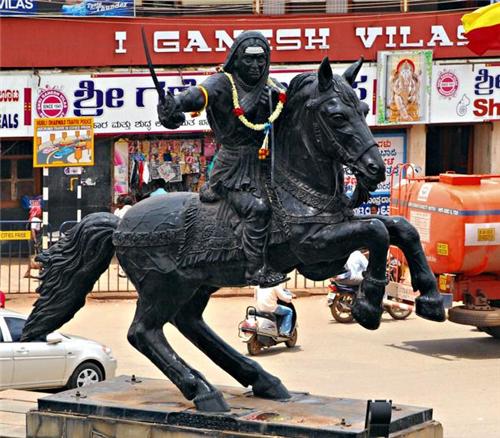
Hubballi
Hubballi - commercial hub of cotton and iron
Hubballi is a vibrant city in Karnataka, known as a major commercial and educational hub, with a rich cultural heritage and a gateway to North Karnataka. Hubballi (Hubli) is a city located in the northern part of Karnataka, India, known for its vibrant economy, rich history, and cultural significance. It is the second-largest city in the state and serves as a major commercial and industrial hub. Hubballi's economy is primarily driven by trade, agriculture, and industries, with a particular emphasis on textiles, iron, and steel. The city is also an important center for education, with several renowned institutions like KLE University and SDM College attracting students from all over the country. The city has a unique blend of traditional and modern elements. Hubballi's old quarters reflect its historical charm with bustling markets, temples, and colonial-era architecture. Meanwhile, the newer parts of the city showcase modern developments with wide roads, shopping malls, and business complexes. Chandramouleshwara Temple and Nrupatunga Hill are key attractions for both tourists and locals, offering a glimpse into the city’s spiritual and historical heritage. Hubballi also plays a key role in Karnataka's transport infrastructure, being well-connected by rail, road, and air. The Hubballi-Dharwad twin cities are often considered a unified urban area, with Dharwad being a nearby cultural center, adding to the area's overall significance.Hubballi's infrastructure is well-developed, with modern amenities, including an airport, railway station, and a growing road network. It is also home to various educational institutions, including those offering technical and medical studies, making it a key educational center in the state. Culturally, Hubballi has a rich history and is home to numerous temples, including the famous Siddharoodha Swamy Math. The city celebrates various festivals with great enthusiasm, including the renowned Dussehra festival, which attracts thousands of visitors each year. In recent years, Hubballi has also seen a rise in IT-related businesses, and with ongoing infrastructural development, it is expected to continue growing as a commercial and cultural center in Karnataka.
View on Map Explore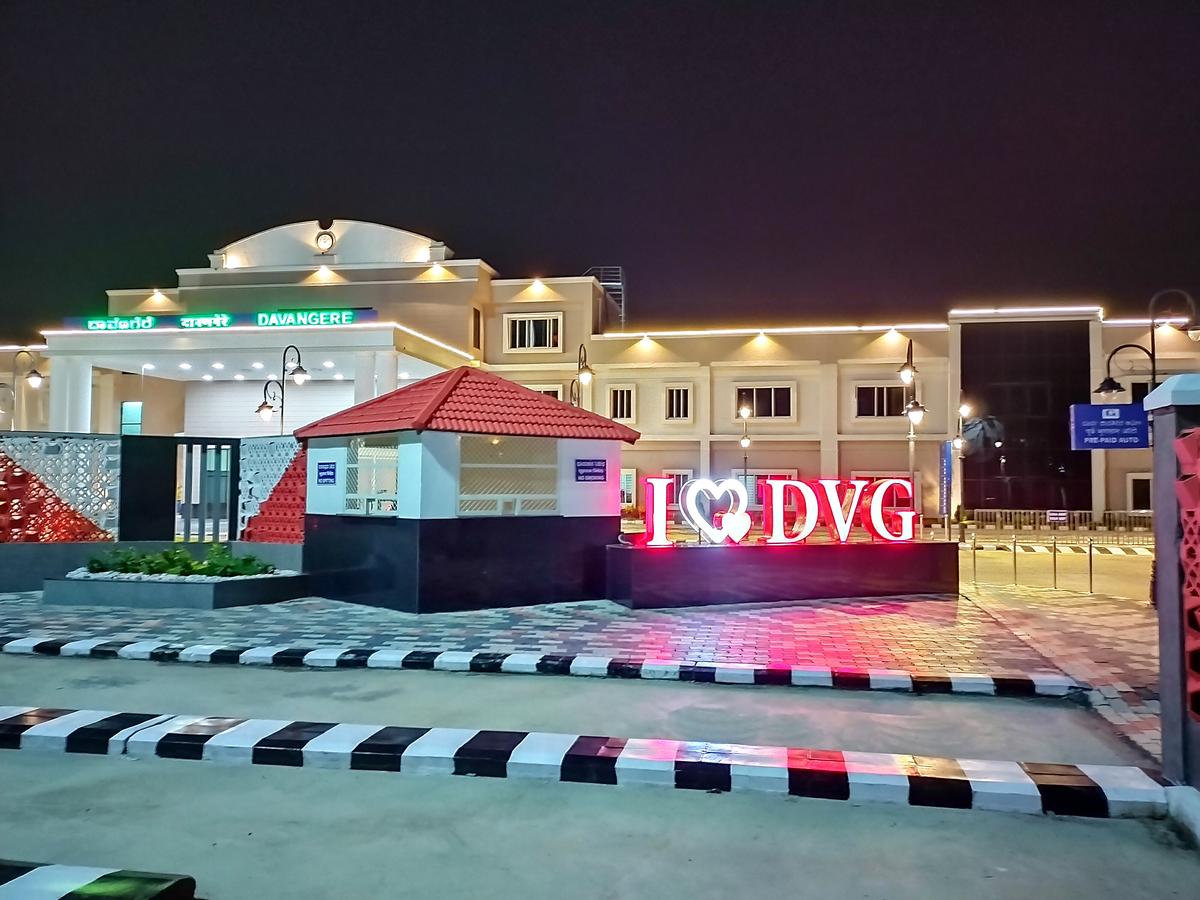
Davanagere
Davanagere - Manchester of Karnataka
Davangere is a prominent city in Karnataka, known for its thriving textile industry, educational institutions, and rich cultural heritage. Davangere is a city located in the central part of the Indian state of Karnataka. It is known for its significant contributions to agriculture, education, and textile industries. Situated approximately 265 km north of Bangalore, Davangere serves as the administrative headquarters of the Davangere district. Historically, Davangere was a small town that gradually grew into an important commercial center due to its strategic location between major cities like Bangalore and Hubli. The city has become especially renowned for its Davangere Benne Dosa, a popular variation of the dosa that uses butter, which is loved by locals and visitors alike. The economy of Davangere is primarily driven by agriculture, with crops such as cotton, groundnut, and soybeans being widely cultivated in the surrounding areas. The city is also home to a growing textile industry, especially saree weaving, and is often considered a major hub for the production of cotton and synthetic fabrics. In terms of education, Davangere is home to various institutions that cater to higher education, engineering, medical sciences, and arts. The Davanagere University, established in 2009, further enhances the city's role as an educational hub in the region.The city is also famous for its distinct cuisine, including the popular "Davangere Benne Dosa," a unique variation of the traditional dosa. Davangere is home to several temples and landmarks, reflecting its cultural diversity. The climate is generally moderate, making it a comfortable place to live and visit. In recent years, Davangere has seen significant growth in infrastructure, with improved road networks and better connectivity to major cities in Karnataka. This development has attracted people from various parts of the state, further enhancing its urban character while preserving its historical roots.
View on Map Explore
Ballari
Ballari - Steel City of South India
Ballari is a historic city in Karnataka, known for its mineral-rich resources, particularly iron ore, and its ancient temples and forts. Ballari, also known as Bellary, is a city located in the northern part of Karnataka, India. It serves as the administrative headquarters of the Ballari district and is an important commercial, industrial, and cultural hub in the region. Historically, Ballari has played a significant role due to its strategic location and rich resources, particularly in mining and agriculture. The city lies in a region known for its iron ore deposits, which have led to the establishment of numerous industries, making Ballari an essential contributor to the state’s economy. The mining sector has driven the city’s growth over the years, although this has also raised environmental concerns in recent times. Ballari’s climate is typically hot and dry, with a tropical climate characterized by hot summers, a moderate monsoon season, and mild winters. The city is well-connected by road and rail, with regular services to major cities like Bangalore and Hyderabad. It also has access to Tungabhadra Dam, a key irrigation source for agriculture in the area. The cultural heritage of Ballari is enriched by a mix of Kannada and Telugu influences, due to its proximity to the border with Andhra Pradesh. The region celebrates several local festivals, with the Dussehra festival being particularly important, as the city has strong historical connections to the Vijayanagara Empire, which is also linked to Hampi, a UNESCO World Heritage Site located nearby. Ballari is also an emerging center for education and healthcare, with several colleges and institutions offering courses in engineering, medicine, and the arts. While the city is urbanizing rapidly, it still retains a connection to its agricultural roots, with crops like groundnut, cotton, and soybeans being cultivated in the surrounding areas.The city has seen rapid urbanization in recent years, driven by its industrial and commercial growth. The area surrounding Ballari is characterized by a mix of agricultural land, mining operations, and local markets. The climate in Ballari is predominantly hot and dry, with summers being particularly harsh. The city also has a relatively low rainfall compared to other regions in Karnataka. Despite these challenges, it continues to be a hub for trade and commerce in the region. Ballari's population is diverse, and the city is known for its vibrant festivals and traditions.
View on Map Explore
Mangaluru
Mangaluru - Rome of the East
Mangaluru is a coastal city in Karnataka, famous for its scenic beaches, thriving port, and delicious seafood, along with a rich cultural and historical heritage. Mangaluru, also known as Mangalore, is a coastal city located in the southern part of India, in the state of Karnataka. Positioned on the Arabian Sea, it serves as an important port city and is known for its vibrant cultural heritage, rich history, and diverse population. Mangaluru is a blend of traditional and modern influences, with a strong emphasis on trade, education, and tourism. The city's coastal location contributes to its thriving industries, including fishing, cashew processing, and exports, particularly in the sectors of coastal shipping and agriculture. The area is known for its production of beetle leaves, spices, and mangrove wood. The city's diverse community includes people from various backgrounds, including Tulu, Kannada, Konkanis, and Maharashtrians, and the majority speak Tulu, Kannada, and English. Mangaluru is famous for its distinct cuisine, especially seafood, with dishes like Mangalorean fish curry, neer dosa, and kori rotti being staples of local dining. A major highlight of Mangaluru is its religious diversity, with temples, mosques, and churches spread throughout the city. One of the significant places of worship is the Sultan Battery and the ancient Kudroli Gokarnath Temple. The St. Aloysius Chapel, known for its beautiful frescoes, is another important cultural landmark. Education is another strength of the city, with renowned institutions such as Manipal University, Mangalore University, and several well-respected schools and colleges offering courses in various disciplines. The city has become an educational hub in the region, attracting students from across the country.The city’s transport infrastructure is well-developed, with an international airport, a well-connected railway station, and an efficient road network. Mangaluru is also known for its festivals, such as the Mangaluru Dasara, and for being the birthplace of notable personalities, contributing to its prominence in various fields. Overall, Mangaluru is a blend of modern development and traditional charm, offering a unique experience for visitors and residents alike.
View on Map Explore
Shimoga
Shimoga - sandalwood and sarees with Kasuri work
Shivamogga is a picturesque city in Karnataka, known as the "Gateway to the Western Ghats," with lush landscapes, waterfalls, and a rich cultural heritage. Shivamogga, often referred to as the "Gateway to the Western Ghats," is a city located in the state of Karnataka, India. It serves as the administrative headquarters of Shivamogga District, situated in the central part of the state. The city is surrounded by lush greenery, scenic landscapes, and abundant natural beauty, making it an important hub for tourism and agriculture in the region. Shivamogga is known for its rich cultural heritage and historical significance. It lies at the foothills of the Western Ghats, an ecologically diverse region recognized by UNESCO. The city and surrounding areas are popular for their waterfalls, including Jog Falls, which is one of the highest waterfalls in India. Other natural attractions include Kodachadri and Sakrebailu Elephant Camp, making it a popular destination for nature enthusiasts and adventure seekers. Agriculture plays a significant role in Shivamogga's economy, with coffee, rice, and areca nut being the primary crops. The region is also known for its forestry products, as it is part of the Western Ghats, home to diverse flora and fauna. Culturally, Shivamogga is a center for local arts, with Kannada being the predominant language spoken by its residents. The city has a rich tradition in music, dance, and theater, with local festivals like Ugadi and Dasara celebrated with much enthusiasm. The historic Shivappa Nayaka Palace and other ancient temples reflect the city's long-standing historical and religious traditions. Shimoga is also a hub for the timber and plywood industries due to the abundance of forests in the region. The presence of several waterfalls, such as Jog Falls, which is one of the highest waterfalls in India, makes it a popular tourist destination. Shimoga is well-connected to other parts of Karnataka through road and rail networks. The city has witnessed significant growth in recent years, with improvements in infrastructure and education, making it an important administrative and commercial center in the region. Despite its growth, it retains a relatively calm, rural charm, with a relaxed pace of life.
View on Map Explore
Madikeri
Madikeri - Muddu Raja Keri
Madikeri is a hill station in Karnataka, renowned for its serene landscapes, coffee plantations, and scenic views of the Western Ghats. Madikeri, the district headquarters of Coorg (Kodagu), is a scenic hill station nestled in the Western Ghats of Karnataka, India. Known for its lush green landscapes, coffee plantations, and cool climate, Madikeri has long been a popular tourist destination, offering a serene escape from the bustling cities. Madikeri is renowned for its natural beauty, including rolling hills, waterfalls, and coffee estates that contribute to the region's vibrant agricultural economy. The town is surrounded by mist-covered hills, dense forests, and numerous viewpoints that provide breathtaking views of the surrounding valleys. The weather remains pleasant throughout the year, with cool temperatures making it a sought-after destination, especially during the hot summer months. The town's rich cultural heritage reflects in its local traditions, festivals, and architecture. Coorgi cuisine, with its unique blend of spices, and the famous Coorgi hospitality, also play a major role in drawing tourists to the area. Madikeri is home to the Madikeri Fort, an old fort with a history dating back to the 17th century, and the Omkareshwara Temple, which has a unique blend of Islamic and Hindu architectural styles. One of the most famous attractions near Madikeri is the Abbey Falls, a stunning waterfall that cascades down amidst thick greenery. Another notable site is Raja's Seat, a garden offering panoramic views of the surrounding hills, which is especially popular at sunset.Madikeri also holds cultural significance, with a unique blend of Coorgi traditions and lifestyle. The town is famous for its coffee, local spices, and the distinctive Coorgi cuisine. People visit Madikeri not only for its natural beauty but also to experience the rich heritage and the warm hospitality of the local population. The town serves as a gateway to exploring the broader Coorg region, known for its scenic landscapes and unique cultural offerings.The town is surrounded by coffee plantations, dense forests, and mist-covered hills, making it an ideal place for trekking and outdoor activities. Its serene environment is complemented by attractions like the Abbey Falls, Raja’s Seat, and the Madikeri Fort, which provide a glimpse into the region's historical and natural beauty.
❗View on Map❗ Explore
Kalaburagi
Kalaburagi - architectural marvels
Kalaburagi is a historic city in Karnataka, known for its rich cultural heritage, ancient monuments, and as a center of the Deccan region's Islamic architecture.Kalaburagi (formerly known as Gulbarga) is a city located in the northern part of Karnataka, India. It serves as the administrative headquarters of the Kalaburagi district. Known for its historical significance and rich cultural heritage, Kalaburagi is one of the important cities in the state. Historically, Kalaburagi has been a prominent center of culture and education, particularly during the rule of the Bahmani Sultanate. The city has a blend of historical monuments, religious sites, and a deep-rooted tradition of education, with institutions dating back centuries. One of the most notable landmarks in Kalaburagi is the Kalaburagi Fort, which was constructed by the Bahmani Sultanate in the 14th century and later expanded by the Mughal rulers. The fort, along with its massive gates and watchtowers, stands as a testament to the city's strategic importance in medieval India. Another prominent historical site is the Jama Masjid, an impressive mosque known for its unique architectural style, which combines Persian and local influences. Kalaburagi also has significant religious importance, particularly for Hindu and Sufi communities. The Khwaja Bande Nawaz Dargah, a revered Sufi shrine, attracts pilgrims from across the country. The Siddheshwar Temple, dedicated to Lord Shiva, is another popular site for worshippers. In terms of economy, Kalaburagi is primarily an agricultural hub, known for cultivating crops like groundnut, cotton, and jowar.Kalaburagi is also recognized for its role in the formation of the Karnataka state, and it is an important center for the development of infrastructure in the northern part of Karnataka. The city is well-connected by road and rail, making it a crucial hub for trade and commerce. The climate in Kalaburagi is typically hot and dry, with a tropical climate influencing its agricultural activities. Despite the challenges posed by its arid conditions, Kalaburagi continues to grow as a key city in the region.
❗View on Map❗ Explore